

What Is an Orthodontist and Why Choosing the Right One Matters
Learning how to choose the right orthodontist for your family feels a lot like finding the right doctor for your kids. You want someone who knows their stuff, treats you and your family like people (not numbers), and makes the whole experience easy to understand and stress-free. An orthodontist is a dental specialist who completes two to three additional years of residency training beyond dental school, focusing specifically on diagnosing and correcting misaligned teeth and jaws.
This extra training matters more than you might think. While your general dentist handles cleanings, fillings, and overall oral health, an orthodontist spends years learning the science of tooth movement, jaw development, and bite correction. They’re the specialists you turn to when teeth need to be straightened or when a child’s jaw isn’t developing quite right. The American Association of Orthodontists also recommends that children have their first orthodontic check by age 7, which underscores how specialized this field really is.
Choosing the right orthodontist affects everything from your treatment outcomes to your comfort level during visits. A good fit means fewer complications, better long-term results, and an experience that doesn’t feel like a chore. Get it wrong, and you might face costly retreatment down the road, or results that don’t last. According to the American Association of Orthodontists, care from a board-certified orthodontist is generally associated with more predictable treatment outcomes.
How to Choose an Orthodontist in Virginia Beach: Key Factors
Evaluating an orthodontist comes down to a handful of practical checks. Begin with credentials like board certification and AAO membership. Then schedule a free consult to see how the doctor communicates, tour the office to gauge technology and cleanliness, review before-and-after photos, ask about treatment options, and read patient reviews to spot patterns in real experiences.
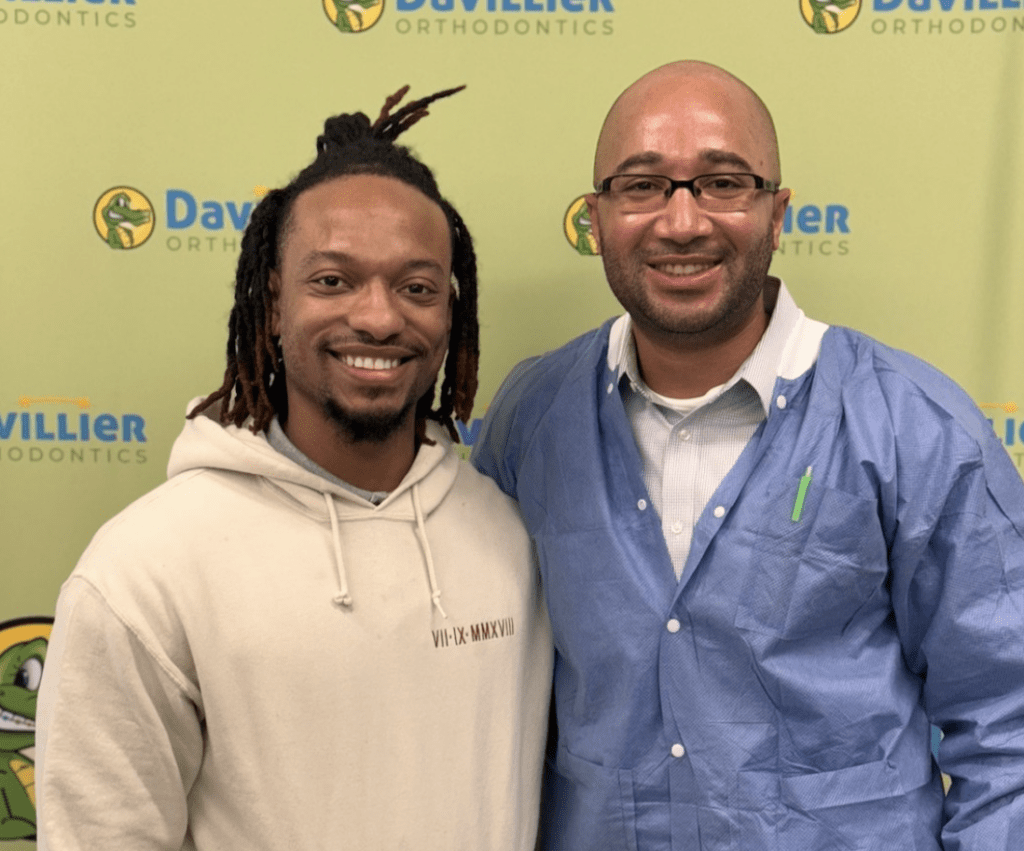
Verifying credentials is the natural first step. Board certification from the American Board of Orthodontics (ABO) means your orthodontist has gone beyond the minimum requirements and passed rigorous examinations to demonstrate their expertise. Membership in the American Association of Orthodontists (AAO) is another solid indicator of professional commitment. These aren’t just fancy letters after a name. They show a dedication to staying current with the latest techniques and standards. Dr. Christian Davillier, for instance, is a Board-Certified Orthodontist and an active AAO member, which is exactly the kind of credential mix worth looking for.
Here’s a practical approach to finding the right fit:
- Check credentials and memberships. Look for board certification and AAO membership. You can verify this through the AAO’s online directory or by asking the office directly.
- Schedule a free consult. Many orthodontists offer complimentary visits. Use this time to assess how well the doctor listens, explains options, and answers your questions. Pay attention to whether you feel rushed or genuinely heard.
- Tour the office. Notice the technology they use. Are digital scans available, or are they still using old-style putty impressions? Is the space clean and organized? Modern equipment often translates to more comfortable, efficient treatment.
- Review before-and-after photos. Ask to see examples of cases similar to yours. This gives you realistic expectations and shows the orthodontist’s skill level.
- Ask about treatment options. A good orthodontist offers multiple approaches, including metal braces, clear braces, and clear aligners, and explains why certain options might work better for your specific situation.
- Read online reviews. Patient testimonials reveal a lot about the day-to-day experience. Look for patterns in feedback, both positive and negative.
The free consult is your chance to see if you click with the practice. It’s not just about credentials. It’s about finding someone you trust with your smile.

Benefits of Choosing the Right Orthodontist
The right orthodontist delivers four big wins: a custom care plan built around your unique anatomy, modern technology that shortens chair time, better long-term results that hold up for years, and care for every age in your family. When all four come together, treatment becomes something you can look forward to instead of something you tolerate.
Here’s what the right choice brings.
How Does Custom Care Help Your Smile?
No two smiles are identical. The right orthodontist creates a plan built around your unique needs, not a cookie-cutter approach that treats everyone the same way. Custom treatment plans take into account the shape of your jaw, the position of every tooth, your age, and even your daily habits. That kind of attention sets the stage for results that actually last.
Why Does Modern Technology Matter?
Today’s leading orthodontic offices use digital scans, 3D imaging, and efficient appliances that cut down chair time. Options like same-day braces, where you can have your braces placed during your free consult, save time and get you started on your smile goals faster. Better tools also mean fewer surprises and a clearer picture of what to expect from start to finish.
A few more benefits worth noting:
- Better long-term results come from proper diagnosis and treatment planning. Your teeth stay where they should be, years after treatment ends.
- Improved comfort and shorter treatment time often follow modern techniques and materials, which generally move teeth more efficiently and offer a gentler experience than older methods.
- Care for all ages is possible at the right practice, whether it’s orthodontics for kids, teens, or adults.
The right orthodontist doesn’t just straighten teeth. They consider your whole oral health picture, your lifestyle, and your goals. That kind of attention, which you’ll find with a board-certified provider like Dr. Davillier, makes a real difference.
Private Practice vs. Large Chain Orthodontics: Key Differences
Not all orthodontic offices operate the same way. Private orthodontic practices generally offer consistent provider relationships and customized care, while large multi-location chains often prioritize volume and standardized protocols. Understanding the difference helps you make an informed decision when choosing an orthodontist.
| Factor | Private Practice | Large Chain Orthodontics |
|---|---|---|
| Provider Consistency | Same doctor at every visit | Doctors may rotate between locations |
| Treatment Customization | Highly individualized approach | May follow standardized protocols |
| Patient Relationships | Long-term, name-recognition care | Higher patient volume can limit personal attention |
| Decision Making | Treatment decisions made by your orthodontist | Business decisions may influence care recommendations |
| Follow-Up Care | Long-term relationship with your provider | Continuity may vary with staff changes |
Smaller, doctor-owned practices offer something different. When you see the same doctor every time, they know your case inside and out. They remember your concerns from your last visit. They notice subtle changes that might get missed when you’re seeing a different provider each time.
Private practices also tend to have more flexibility in how they approach treatment. Your orthodontist can adjust the plan based on what’s actually happening with your teeth, rather than following a rigid protocol. That flexibility often leads to better outcomes and a more comfortable experience overall.

What Affects the Cost of Orthodontic Treatment?
Three main factors drive the cost of orthodontic care: the complexity of your case, the type of appliance you choose, and the length of treatment. Simple alignment fixes cost less than complex bite correction. Metal braces typically cost less than clear aligners. And shorter treatment plans cost less than longer ones. Understanding all three helps you compare quotes accurately.
Let’s talk money, because it matters. Several factors influence what you’ll pay for orthodontic treatment.
Treatment complexity plays the biggest role. Simple spacing issues cost less than severe crowding or complex bite issues. The more your teeth need to move, the longer treatment takes, and the higher the cost.
The type of appliance matters too. Metal braces typically cost less than clear aligners or clear braces. Each option has its advantages, and the right choice depends on your specific needs and preferences, not just price.
Treatment length directly affects cost. A case that takes 12 months costs less than one requiring 24 months of active treatment.
Here’s the good news: many practices, including our Suffolk or Virginia Beach office, work hard to make treatment accessible. Look for practices that offer:
- Free consults to clarify costs upfront
- Flexible financing with low or no interest
- Low down payment options
- Discounts for paying in full
- Insurance coordination to maximize your benefits
Comparing financing options across two or three practices can help you find a plan that fits your budget while still getting expert care. Don’t be shy about asking for a written cost breakdown so you can review numbers side by side at home.
How Do You Know You’ve Found the Right Orthodontist?
Look for these green flags when you’re trying to decide:
- Clear communication. They explain things in plain language, not jargon. They welcome your questions and take time to answer them thoroughly.
- Pricing should be transparent. No surprises. No hidden fees. You know exactly what treatment will cost before you commit.
- You’ll be offered multiple treatment options. They don’t push one solution for everyone. Instead, they present options and help you choose what’s best for your situation.
- Welcoming environment. The office feels comfortable, not clinical. Staff members are friendly and genuinely seem to enjoy their work.
- Strong reviews matter. Patients consistently mention feeling cared for, not just treated. Look for testimonials that mention the doctor by name and describe positive experiences. Practices like Davillier Orthodontics, where Dr. Davillier and his team build long-term relationships with families, tend to attract this kind of feedback.
- Convenient options. Flexible scheduling and services like same-day braces show a practice that respects your time.
When you walk out of that first free consult feeling informed, respected, and excited about your smile goals rather than overwhelmed, you’ve probably found the right fit. With several options available to most families, that gut-level confidence is a real signal worth trusting.
Frequently Asked Questions About Choosing an Orthodontist
What’s the difference between an orthodontist and a dentist?
All orthodontists are dentists, but not all dentists are orthodontists. After completing dental school, orthodontists complete an additional two to three years of specialized residency training focused exclusively on tooth movement and jaw alignment. This extra training makes them experts in braces, clear aligners, and correcting bite issues.
How do I know if an orthodontist is board-certified?
You can verify board certification through the American Board of Orthodontics website. Board-certified orthodontists have passed thorough examinations beyond their residency training, demonstrating advanced knowledge and skill. You can also simply ask during your free consult. Any board-certified orthodontist will be happy to share their credentials, including any active membership in the AAO, ADA, or state-level associations like the Virginia Association of Orthodontists.
At what age should my child first see an orthodontist?
By age 7, according to the American Association of Orthodontists. At this age, an orthodontist can monitor jaw growth, bite development, and space for permanent teeth during a first free consult. Early assessment doesn’t always mean early treatment. Sometimes it just means keeping an eye on things until the timing is right for action.
Should I get multiple consults before choosing?
Getting two or three free consults can be helpful, especially if you’re unsure about a diagnosis or treatment recommendation. Different orthodontists may suggest different approaches. Just make sure you’re comparing apples to apples, similar treatment types and similar timeframes, when evaluating your options.
What questions should I ask during my free consult?
Come prepared with questions like: What treatment options do you recommend for my case? How long will treatment take? What’s the total cost, and what payment options are available? How often will I need visits? What happens if something goes wrong during treatment? A good orthodontist welcomes these questions and answers them clearly.
Choosing an orthodontist is a long-term decision, and the more questions you ask up front, the more confident you’ll feel about the path forward. Use the checklist in this article to compare credentials, technology, treatment options, and communication styles across the practices you’re considering. When credentials, comfort, and clear communication line up, you’re ready to start treatment with confidence. Trust your instincts. The right fit will feel obvious.