
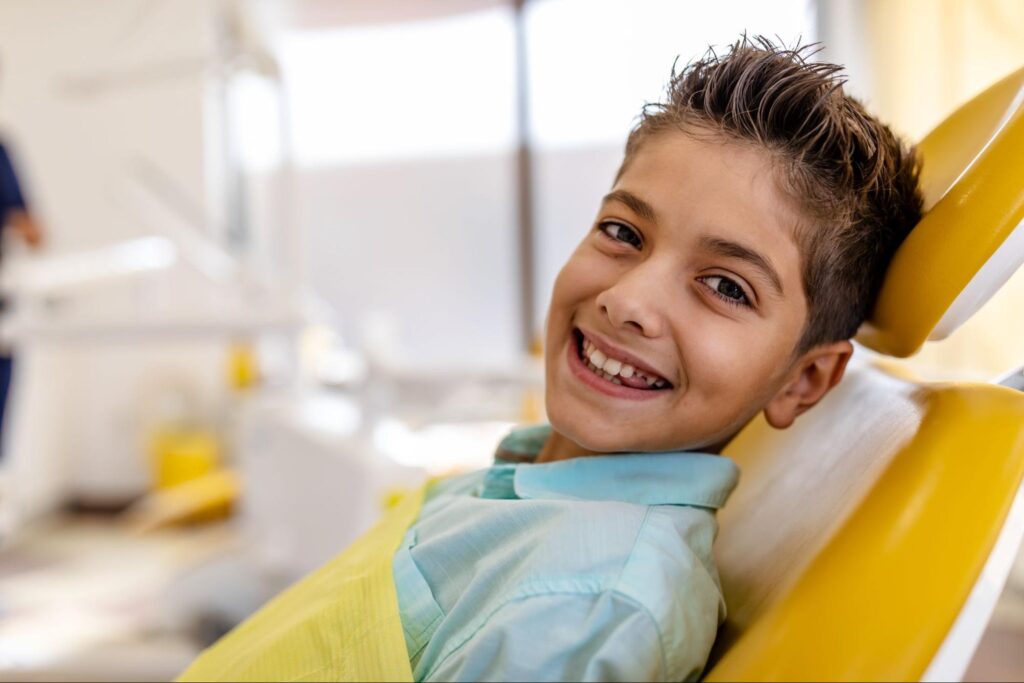
Wondering when your child should get braces? Virginia Beach families often ask this exact question, and the answer depends on individual factors. The American Association of Orthodontists recommends every child have their first orthodontic evaluation by age 7. This might seem early, but it doesn’t mean treatment starts right away. Most families actually begin active treatment between ages 9 and 14.
What Is the Best Age for Braces?
The best age for braces typically falls between ages 9 and 14, when most permanent teeth have erupted and jaw growth remains active. Kids as young as 7 may benefit from phase 1 treatment, and adults of any age can successfully straighten their teeth using modern options. Virginia Beach families have flexibility to start treatment when timing works best.
Here’s what many parents don’t realize: there’s no upper age limit for braces. Adults benefit from orthodontic treatment just as much as kids and teens. The right starting time really depends on individual factors like bite issues, jaw development, and how teeth are erupting. Dr. Christian Davillier, a Board-Certified Orthodontist and member of the American Association of Orthodontists, evaluates each situation during a free consult to determine the right timing.
How Orthodontic Timing Works: Growth and Development Stages
Orthodontic treatment isn’t one-size-fits-all. The timing depends heavily on where a family member falls in their growth and development.
What Happens During Phase 1 Treatment (Ages 7-10)?
Sometimes called interceptive treatment, this phase happens while the jaw is still growing. Dr. Davillier can guide jaw development, create space for crowded permanent teeth, and address issues that would be much harder to fix later. Not every child needs phase 1 treatment, but catching certain orthodontic issues early can make a real difference.
When Does Phase 2 Treatment Begin (Ages 11-14)?
This is when most full orthodontic treatment happens. By this age, most or all permanent teeth have erupted, making it possible to achieve final alignment and bite correction. Teen bones are still pliable, so teeth move faster and treatment runs efficiently.
Can Adults Still Get Braces (18+)?
Adult orthodontics works well, though treatment may take a bit longer. Bone density increases with age, so tooth movement happens more gradually. The good news? Today’s discreet options like clear aligners and clear braces make adult treatment more appealing than ever.
Your free consult establishes a plan built for you based on your specific needs. Dr. Davillier monitors growth patterns in younger family members and recommends the right moment to begin active treatment.

Benefits of Treating at the Right Age
Starting orthodontic treatment at the right time offers advantages that extend far beyond straight teeth.
How Does Early Treatment Protect Long-Term Oral Health?
- Guides jaw growth and creates adequate space for permanent teeth to erupt properly
- Reduces the likelihood of tooth extractions or corrective jaw surgery down the road
- Corrects harmful oral habits like thumb sucking or tongue thrusting before they cause lasting damage
- Improves bite function and prevents uneven tooth wear that leads to dental issues
What Are the Social and Practical Benefits?
- Boosts self-confidence during formative social years when appearance matters to kids
- Often shortens overall treatment time compared to waiting until orthodontic issues become severe
- Gives families options to plan ahead instead of reacting to bigger problems
- Reduces stress by spreading care across the right developmental windows
Early evaluation gives families options. When Dr. Davillier identifies potential orthodontic issues at age 7 or 8, you can plan ahead rather than react to problems that have already developed. This is exactly why Davillier Orthodontics encourages parents to bring kids in early, even when treatment isn’t yet necessary.
Best Age for Braces by Life Stage: Kids vs. Teens vs. Adults
| Age Group | Primary Focus | Popular Options | Typical Duration |
|---|---|---|---|
| Kids (7-10) | Growth modification, prevention | Metal braces, expanders | 6-18 months |
| Teens (11-17) | Full correction, alignment | Metal, clear braces, aligners | 12-24 months |
| Adults (18+) | Aesthetic and functional correction | Clear aligners, clear braces, lingual | 12-30 months |
What Should Parents Expect for Kids (Ages 7-10)?
Treatment at this stage focuses on growth modification and prevention. Phase 1 treatment might involve palatal expanders to widen a narrow jaw, partial braces to guide incoming teeth, or appliances to correct crossbites. The goal isn’t perfection yet. It’s setting the stage for easier full treatment later. Many families appreciate how phase 1 care eases the path to phase 2.
Why Are the Teen Years (11-17) the Most Common?
The teen years remain the most common time for full orthodontic treatment. With permanent teeth in place and active growth still occurring, Dr. Davillier can achieve complete correction efficiently. Teens can choose from metal braces, clear braces, or clear aligners depending on their preferences and case requirements.
What Options Work Best for Adults (Ages 18+)?
More adults are choosing orthodontic treatment than in past decades. Adults often prefer discreet options like clear aligners or clear braces that blend with their teeth. Treatment may take somewhat longer due to denser bone, but the results deliver the same straight teeth, balanced bite, and confidence boost. Plenty of busy professionals fit treatment around demanding work schedules without anyone noticing.
Compliance matters at every age. Younger children need parental support with oral hygiene and appliance care. Teens must commit to wearing rubber bands and avoiding hard foods. Adults juggle treatment with busy schedules but often show excellent compliance because they’ve chosen treatment for themselves.
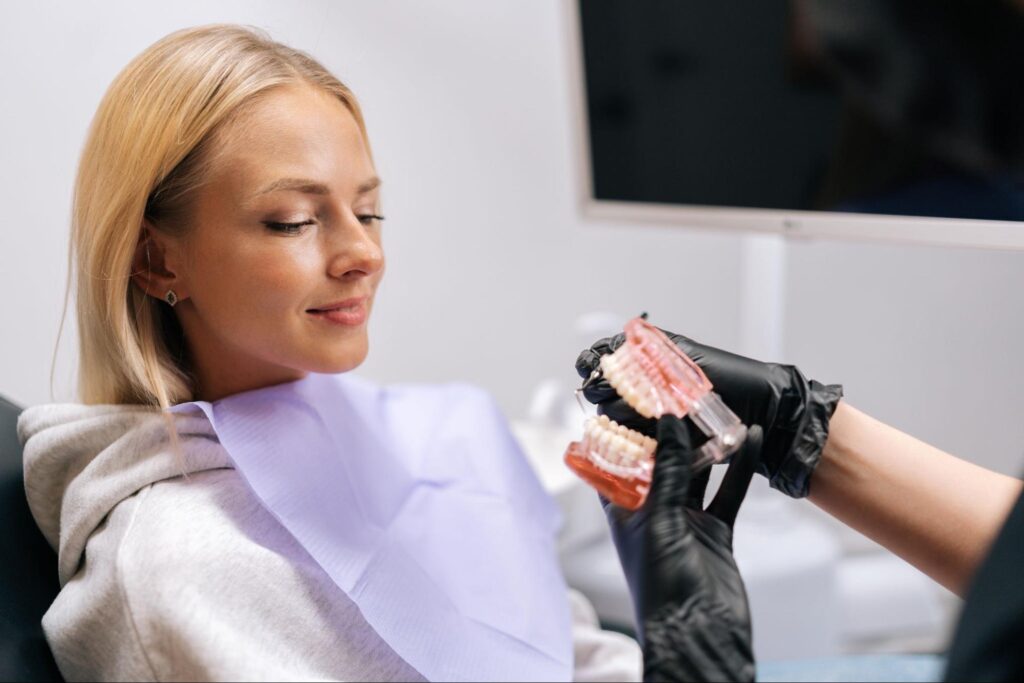
How Age Affects Treatment Complexity and Cost
Timing your orthodontic treatment strategically can impact both complexity and cost. At Davillier Orthodontics, Board-Certified Orthodontist Dr. Davillier walks each family through the cost factors most relevant to their situation.
Why Does Earlier Care Often Cost Less Long-Term?
Catching issues early frequently prevents more expensive corrections later. Addressing a crossbite at age 8, for example, may eliminate the need for jaw surgery as an adult. Two-phase treatment does cost more upfront since it involves two separate treatment periods, but it often reduces long-term dental expenses and avoids invasive procedures.
What Should Adults Know About Cost?
Adult cases sometimes require longer treatment durations, which can increase overall cost. Bone density, gum health, and existing dental work all factor into adult treatment planning. Dr. Davillier reviews each of these areas during the free consult.
Key cost factors include:
- Earlier intervention often prevents more expensive corrections later
- Two-phase treatment can reduce long-term dental costs
- Adult cases may take longer and require more planning around existing dental work
- Insurance coverage varies significantly by age. Many dental insurance plans cover orthodontic treatment for family members under 18, often with lifetime maximums. Adult coverage is less common, though some plans do include it.
Davillier Orthodontics offers free consults to evaluate your specific situation and provide a clear cost estimate. Flexible financing options make treatment accessible for families at any budget. You shouldn’t have to choose between quality care and competitive prices that won’t break the bank.
Signs Your Child or You May Be Ready for Braces
Not sure if it’s time for an orthodontic evaluation? Common signs include crooked or crowded teeth, gaps, bite issues like overbite or underbite, difficulty chewing, jaw pain, mouth breathing, and prolonged thumb sucking. If you spot any of these in yourself or your child, scheduling a free consult is the next smart step toward answers.
Alignment Issues
- Crowded, crooked, or overlapping teeth
- Gaps between teeth
- Teeth that don’t meet properly when biting
Bite Issues
- Overbite (upper teeth extend too far over lower teeth)
- Underbite (lower teeth sit in front of upper teeth)
- Crossbite (upper and lower teeth don’t align side-to-side)
- Open bite (front teeth don’t touch when back teeth are closed)
Functional Concerns
- Difficulty chewing food thoroughly
- Trouble biting into foods like apples or sandwiches
- Speech difficulties or lisping
Habit-Related Signs
- Mouth breathing instead of nose breathing
- Prolonged thumb sucking past age 5
- Tongue thrusting when swallowing
Development Patterns
- Losing baby teeth unusually early or late
- Permanent teeth coming in crooked or out of position
Discomfort Symptoms
- Jaw soreness or clicking sounds
- Facial asymmetry
- Headaches related to bite issues
If you notice any of these signs, scheduling a free consult provides answers. Dr. Davillier can determine whether treatment is needed now or if monitoring growth makes more sense for your child.
Frequently Asked Questions
Is 7 too young for braces?
Seven is actually the ideal age for a first orthodontic evaluation, not necessarily for braces. At this age, Dr. Davillier can spot developing issues while baby teeth and permanent teeth are both present. Most 7-year-olds don’t need immediate treatment. They benefit from monitoring until the right time for braces arrives.
What is the most common age to get braces?
Most family members begin full orthodontic treatment between ages 11 and 14. This timing works well because most permanent teeth have erupted, yet jaw growth continues. The right age varies by individual, though. Some children benefit from earlier phase 1 treatment, while others do perfectly well starting treatment as teens or adults. Virginia Beach families often plan school-year schedules around this window.
Can adults get braces at any age?
Absolutely. There’s no age limit for orthodontic treatment. Adults in their 30s, 50s, and even 70s successfully straighten their teeth. Healthy teeth and gums are the main requirements, not age. Board-Certified Orthodontist Dr. Davillier treats adults regularly at Davillier Orthodontics and offers discreet options like clear aligners and clear braces that fit professional lifestyles.
How long do braces take for kids vs adults?
Kids and teens typically wear braces 12 to 18 months, while adults average 18 to 30 months. Treatment duration depends more on case complexity than age. Younger family members often finish faster because their bones are less dense and teeth move more readily. Your free consult includes a timeline that fits your situation.
Are clear aligners suitable for teens?
Clear aligners work well for many teens. Versions designed specifically for younger family members include features like compliance indicators and replacement aligners for the occasional lost one. Teens with moderate crowding, spacing, or bite issues often qualify for aligner treatment. Dr. Davillier evaluates each case individually.
What happens at a first orthodontic consultation?
During your free consult at Davillier Orthodontics, Dr. Davillier examines teeth, jaw alignment, and facial structure. Digital scans create a precise 3D image of your mouth. You’ll discuss concerns, learn about treatment options, and receive a recommendation built for you. If you’re ready, you can even get braces in a day at that same visit.
Your smile journey starts with understanding the right timing for treatment. Maybe you’re considering braces for your 7-year-old, your teenager, or yourself. Whatever stage of life you’re in, learning about your options is the first step. Dr. Davillier and the team at Davillier Orthodontics welcome Virginia Beach families to call, message, or stop by to talk through what treatment could look like for your family, no pressure, no rush.